
Pipero's Crypto Payments Are Still Making Headlines. Here's Why That Matters Beyond the Novelty.
Pipero Roma demonstrates how payment innovation can go far beyond novelty. YATO gives staff valuable time back and enhances the guest experience. An example of hospitality technology delivering measurable value without replacing the human touch.
When YATO and Michelin-starred Pipero Roma introduced wallet-to-wallet cryptocurrency payments and a pay-at-table system built on Oracle Simphony earlier this year, the emphasis was on digital innovation at the table. Months later, independent press coverage confirms the feature is more than launch-day excitement.
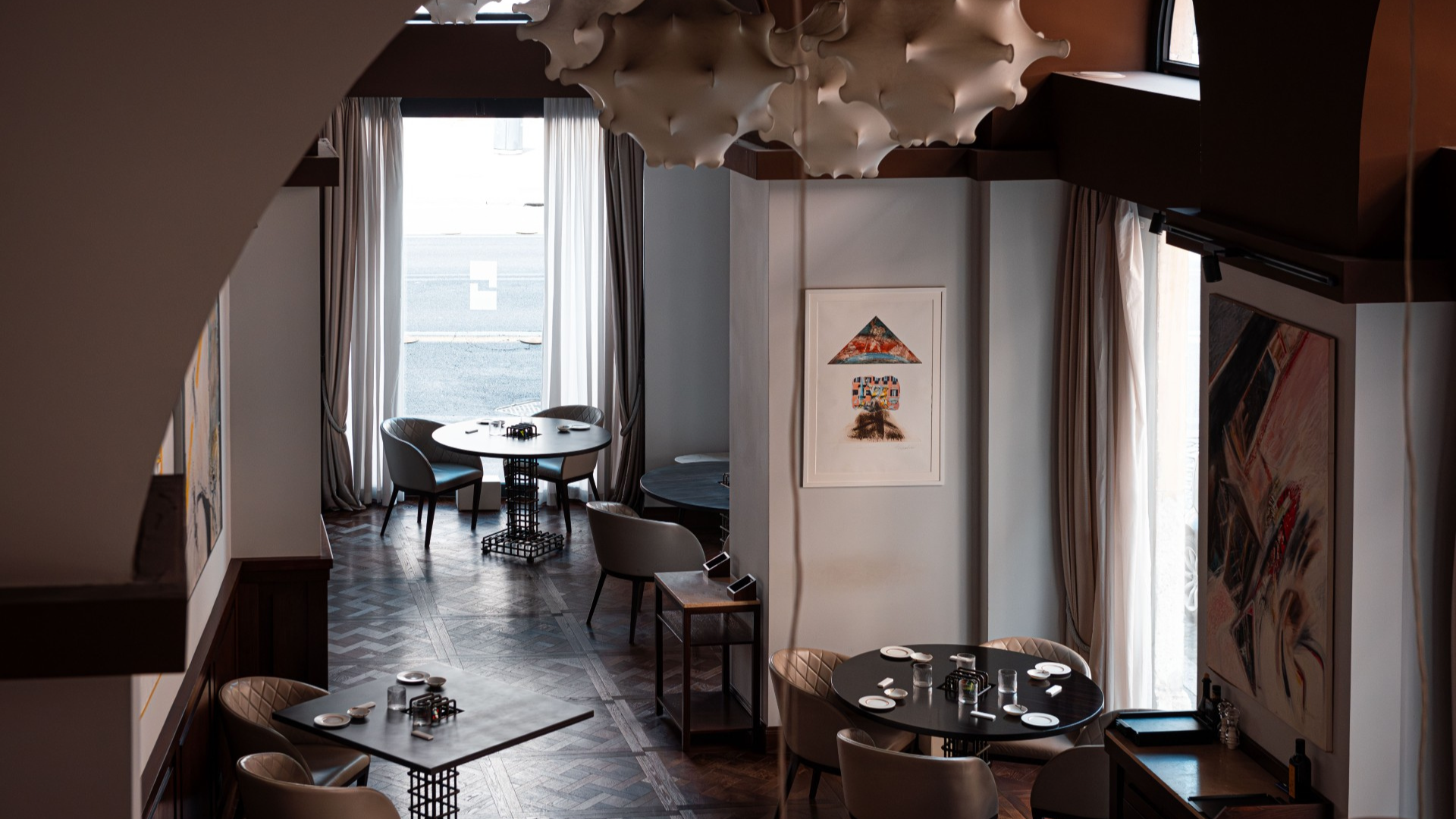
An August food-and-wine column for il Giornale's Retrogusto profiled Pipero Roma's Corso Vittorio Emanuele location and the defining details that make the location one of the ultimate dining experiences in Rome.
From the Rubik's cube built into the table, the working jukebox, chef Ciro Scamardella's tasting menus and the ability for guests to pay in bitcoin, Pipero is demonstrating how world-class hospitality can blend culinary excellence, memorable guest experiences, and next-generation payment technology into a distinctly modern dining destination.
The challenges of hospitality and customer expectations
For Michelin star operators, service is a defining part of delivering a memorable experience, and is built on staff who anticipate, understand, and surpass guest needs, However shrinking staff is a big challenge for hospitality operators.
In Europe, the hospitality sector has long faced persistently high employee turnover and recruitment challenges, driven by seasonal employment, long working hours, and labor shortages. In the US, restaurant and hospitality turnover has held at roughly 70–80% annually for several years, according to Bureau of Labor Statistics data. The National Restaurant Association's most recent data shows a similar picture with roughly 70% of operators reporting open roles that are difficult to fill, and 45% saying they don't have enough staff to meet existing guest demand.
At the same time, guest expectations keep climbing. Deloitte's 2026 Future of Hospitality research finds that AI and automation are becoming central to how guests move through a service journey while McKinsey's hospitality practice points to a persistent personalization gap. Yet despite years of investment, most operators still use guest data narrowly, for marketing, rather than in the moment of service.
Put together, that's the operating reality for most full-service restaurants and hotels right now. With fewer staff hours available per guest, and guests who expect a smoother, faster, more personal experience than ever, the opportunity is to use technology as an enabler that frees staff to focus on the moments guests value most.
Where tech actually helps (and where it doesn't)
The interesting part of what's happening at Pipero isn't the crypto headline. It's what the pay-at-table infrastructure underneath it is doing to service flow. When YATO and Pipero measured the impact of letting guests close out, tip, and receive a digital receipt directly at the table instead of waiting on a server to bring a machine back and forth, tips rose 400% and end-of-meal wait times dropped. It’s not just award and recognition for good service; it’s time given back to the floor staff that is stretched thinner than it's been in years.
The hospitality operators seeing early wins from automation are the ones using it to remove transactional friction so staff can spend more of their limited hours on the parts of the job that visibly elevate the guest experience such as reading a table, recommending a dish, or solving a problem before a guest has to ask.
As hospitality operators evaluate hospitality technology in 2026, a key question to ask is will this investment result in giving time back to staff and reducing friction for guests? Pay-at-table integrated with an existing Oracle Simphony environment delivers the benefits of modernization without requiring a rip-and-replace of technology or new system for staff to learn.
A proof point, not a one-off
Pipero Roma is a live, thirteen-time Michelin-starred restaurant where a patron known for reinventing the dining room experience said yes to testing the new payment infrastructure in front of paying guests, and now, food critics. Months later, the feature is still part of what makes the restaurant worth writing about, not because it’s new, but because it has become part of what defines the guest experience, and compelling proof of where hospitality is headed.